Board Prep: Introduction to Stem Cell Collection and Transplant
- Dec 21, 2025
- 4 min read
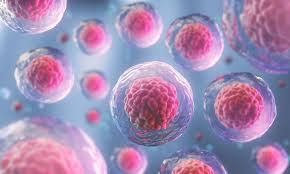
Stem cell collection sits at the intersection of hematology, immunology, and procedural medicine. It’s conceptually simple — collect enough hematopoietic stem cells to reconstitute marrow — but operationally complex, with decisions at every step that affect engraftment, toxicity, and long-term outcomes.
This post walks through stem cell collection from a practical, systems-level perspective: what we collect, where it comes from, how we mobilize it, and what determines whether a transplant succeeds.
The Big Picture: What Are We Collecting?
At the center of stem cell transplantation are hematopoietic stem cells (HSCs) — most commonly identified clinically as CD34-positive cells. These cells are capable of:
Self-renewal
Differentiation into all mature blood lineages
Clinically, we collect them for three main purposes:
Autologous transplant, where patients receive their own cells back after myeloablative therapy
Allogeneic transplant, where donor cells replace a recipient’s marrow
Marrow rescue following intensive chemotherapy
While multiple sources exist, modern practice overwhelmingly favors peripheral blood collection.
Where Stem Cells Come From
Peripheral Blood
Peripheral blood stem cells are now the dominant source for both autologous and allogeneic transplants. They:
Yield higher CD34+ cell counts
Engraft faster than bone marrow
Are collected via apheresis rather than surgery
The tradeoff, particularly in the allogeneic setting, is a higher risk of graft-versus-host disease (GVHD).
Bone Marrow
Bone marrow harvests are obtained directly from the iliac crests under anesthesia. Compared with peripheral collections, they:
Require invasive access
Contain more red blood cell contamination
Carry higher risk of contamination with skin flora
They are used less frequently but remain relevant in specific clinical contexts.
Cord Blood
Cord blood is largely peripheral to apheresis practice but remains board-relevant. It is:
Cryopreserved and banked long-term
More tolerant of HLA mismatch
Limited by lower total cell dose, sometimes requiring multiple units or ex vivo expansion
Mobilization: Getting Stem Cells Into the Blood
Under normal conditions, hematopoietic progenitor cells reside in the bone marrow niche, where adhesion molecules and chemokine gradients keep them anchored and quiescent.
Mobilization disrupts that relationship.
Key mechanisms include:
CXCR4–CXCL12 (SDF-1α) signaling, which tethers stem cells to marrow stroma
Soluble factors such as stem cell factor
Proteases and neurotransmitter-mediated signals
The most commonly used mobilizing agent is G-CSF, which indirectly alters the marrow microenvironment and increases circulating CD34+ cells.
Plerixafor (AMD3100, Mozobil) works differently: it directly inhibits CXCR4, rapidly releasing stem cells into the peripheral circulation. This is particularly useful in poor mobilizers.
How We Collect Stem Cells
Apheresis
Peripheral blood stem cells are collected via leukapheresis, using continuous-flow cell separators. The procedure:
Processes large blood volumes
Uses ACD-A as the anticoagulant
Selectively collects mononuclear cells enriched for CD34+ cells
This is the most common and operationally efficient collection method.
Bone Marrow Harvest
Bone marrow collection involves multiple passes through skin and cortical bone. Compared with apheresis, it:
Has higher contamination risk
Produces products with more RBCs
Carries procedural risks such as bleeding and post-procedure anemia
How Much Is Enough? Target Cell Dose
Cell dose matters — both for engraftment speed and downstream complications.
Autologous transplant
Minimum effective dose: ~2 × 10⁶ CD34+ cells/kg
Optimal dose: 4–6 × 10⁶ CD34+ cells/kg
Allogeneic transplant
Similar target range
Higher doses improve engraftment but increase GVHD risk
Collection strategies often balance donor safety, collection efficiency, and the marginal benefit of additional cells.
Complications of Stem Cell Collection
Citrate Toxicity (Most Common)
ACD-A chelates calcium, leading to hypocalcemia. Symptoms range from:
Perioral tingling and paresthesias
Cardiac arrhythmias in severe cases
Management includes oral or IV calcium supplementation and slowing the collection rate.
Vascular Access Issues
Central venous catheters carry risks of:
Infection
Thrombosis
Bleeding
Donor-Specific Issues
Allogeneic donors may experience G-CSF-related side effects, most commonly bone pain and headache. Donor safety always takes precedence over collection yield.
Bone Marrow Harvest Complications
These include local site pain, bruising, hematoma formation, and anemia.
Autologous vs Allogeneic Collection: Why the Difference Matters
Autologous transplants avoid GVHD but lack graft-versus-tumor effects. Allogeneic transplants introduce immunologic risk — but also therapeutic benefit.
This balance drives donor selection, conditioning regimens, and post-transplant monitoring.
Infectious Disease Testing and Product Handling
All stem cell products require infectious disease screening, including:
HIV
HBV
HCV
HTLV
Syphilis
Product handling differs by transplant type:
Autologous products are typically cryopreserved
Allogeneic products may be infused fresh or frozen
Cryopreservation Basics
DMSO is the most common cryoprotectant
Controlled-rate freezing precisely regulates temperature to prevent intracellular ice crystal formation
Passive freezing uses insulated containers and −80 °C storage but offers less control
Engraftment: The Endpoints Everyone Cares About
Boards — and clinicians — care deeply about engraftment definitions:
Neutrophil engraftment: ANC > 500 for 3 consecutive days
Platelet engraftment: Platelets > 20,000 without transfusion support for 7 days
These metrics anchor post-transplant monitoring and outcome reporting.
Consolidated Board Pearls
Stem Cell Sources
Which source has the most CD34+ cells? → Peripheral blood
Highest GVHD risk? → Peripheral blood
Faster engraftment than marrow? → Yes
Mobilization
Mechanism of plerixafor? → CXCR4 inhibition
Most commonly used mobilizing agent? → G-CSF
Collection
Highest contamination risk with skin commensals? → Bone marrow harvest
Most common collection method? → Apheresis
Target Dose
Minimum effective dose? → 2 × 10⁶ CD34+ cells/kg
Benefit of higher dose? → Faster engraftment
Risk of higher dose? → GVHD
Apheresis Complications
Most common anticoagulant? → ACD-A
Mechanism? → Calcium chelation
Most common side effect? → Hypocalcemia
Treatment? → Calcium supplementation
Most common G-CSF side effect? → Bone pain
Autologous vs Allogeneic
Risk of allogeneic transplant? → GVHD
Benefit? → Graft-versus-tumor effect
Product Handling
Most common cryoprotectant? → DMSO
Why controlled-rate freezing? → Prevents intracellular ice crystals
Engraftment
Neutrophils: ANC > 500 for 3 days
Platelets: >20k without transfusion for 7 days


